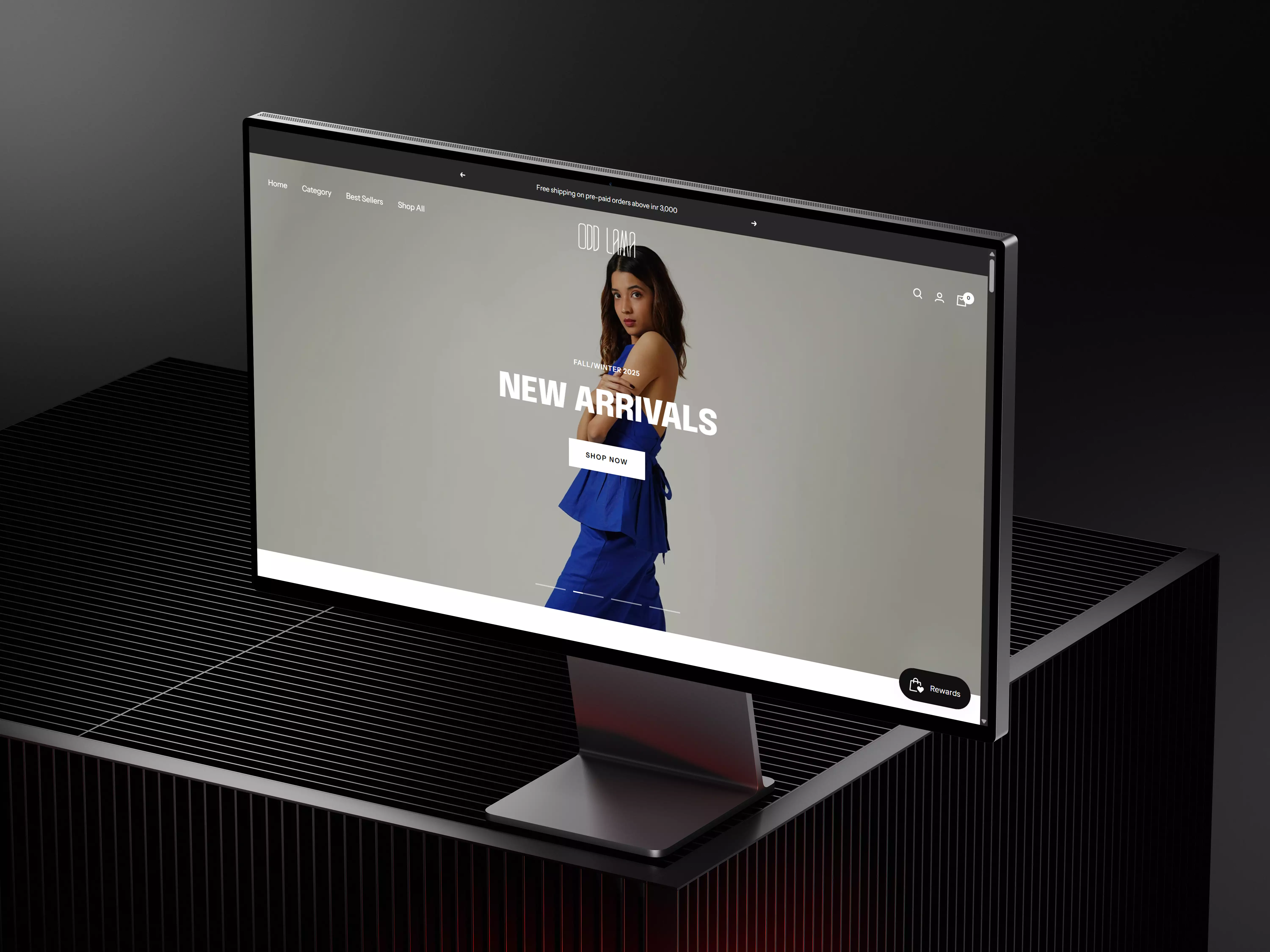
Tackling Sustainability Through Design



The lack of transparency and poor UX on sustainable wear ecommerce platforms
Concept: Tackling Sustainability Through Design: Improving the Online Shopping Experience for Sustainable Fashion Consumers
Problem: Eco-conscious fashion consumers often face difficulty finding clear, reliable information on a product’s sustainability, ethical sourcing, and environmental impact when shopping online. Current e-commerce platforms often lack transparency and present poorly optimized interfaces, resulting in confusion, mistrust, and abandoned purchases.
Target: Eco-conscious online shoppers aged 20–40 who value transparency, ethical sourcing, and sustainable practices in fashion.
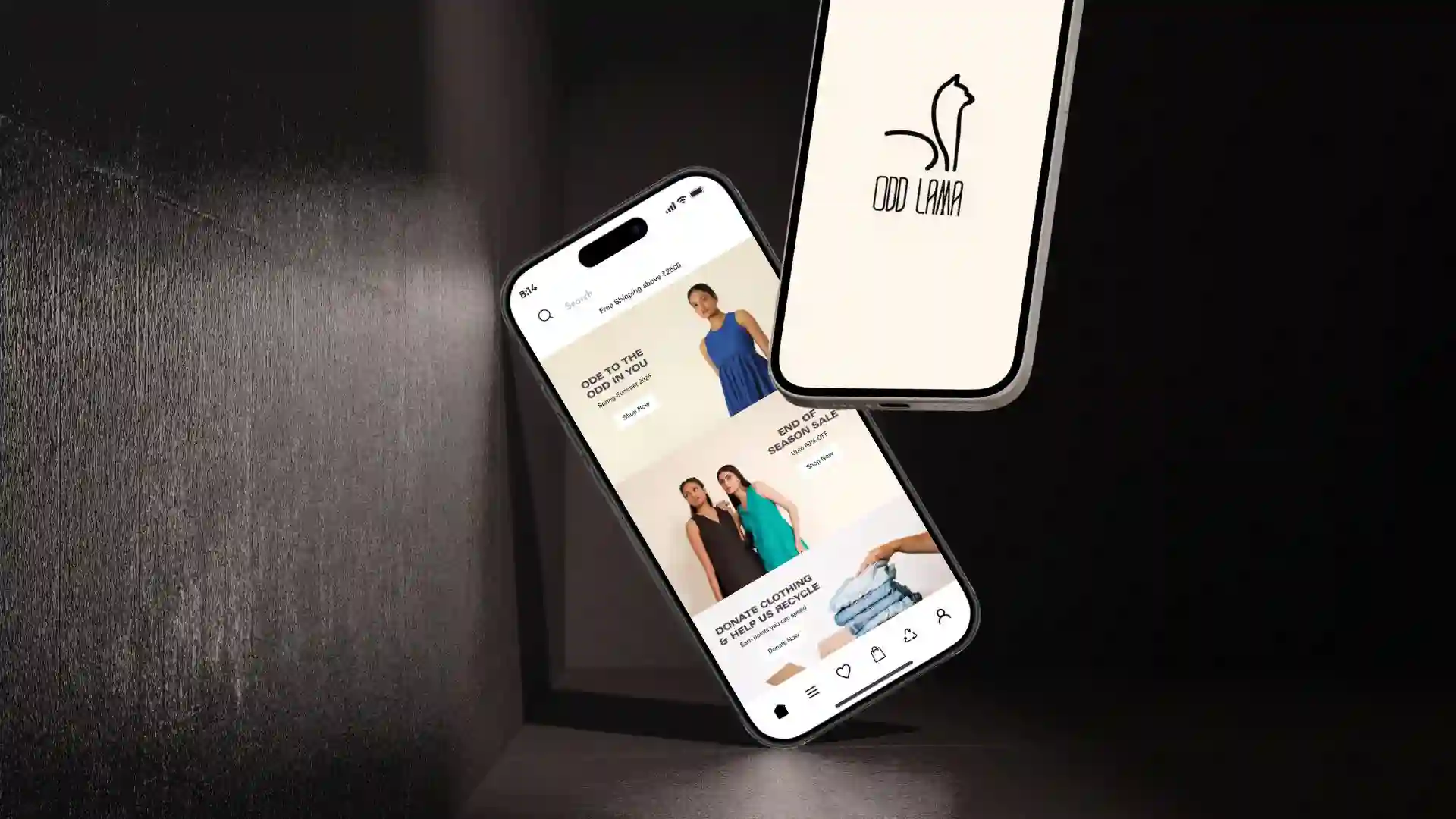
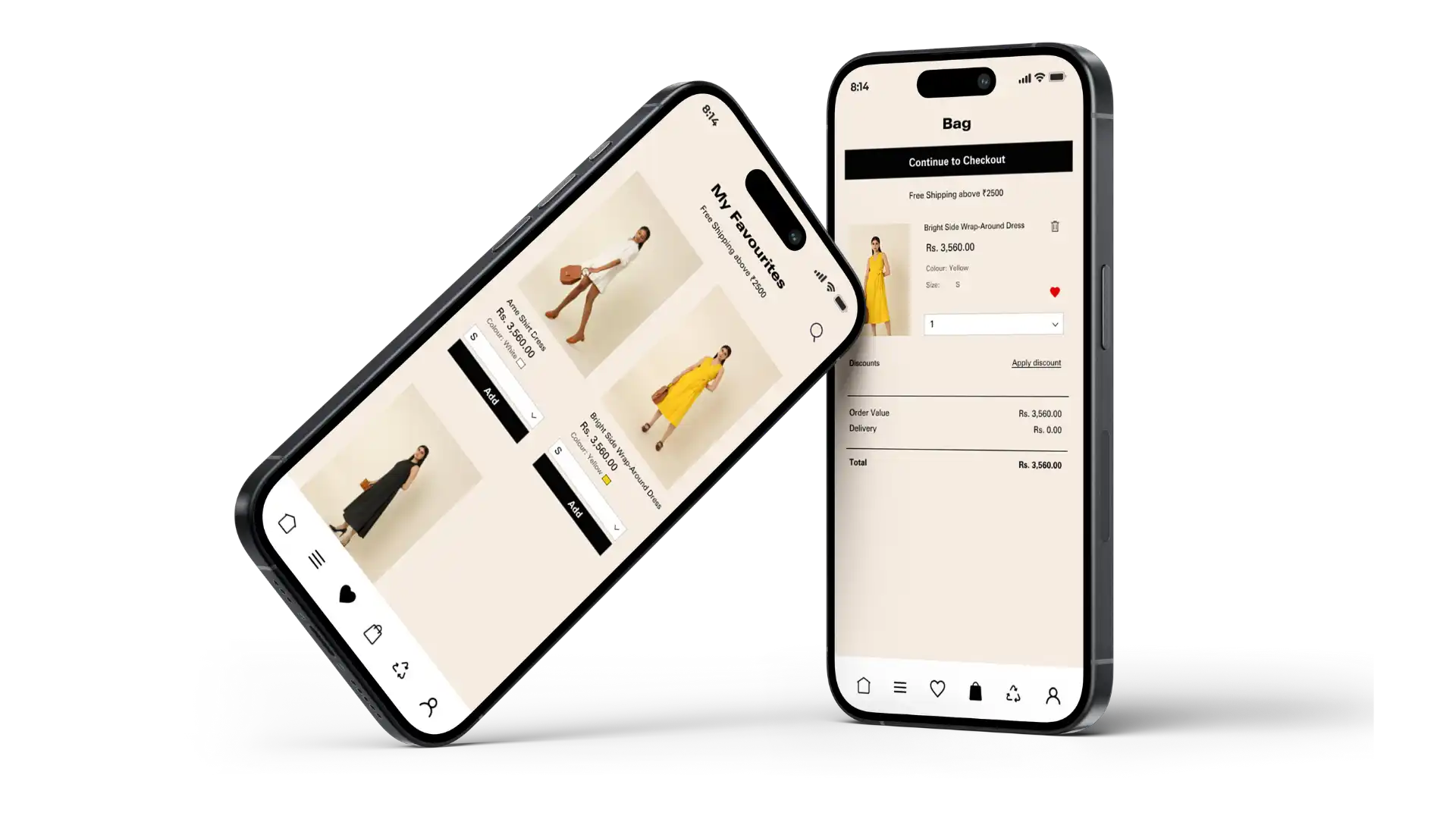
Impact:
Enhance user trust: Increase engagement and conversions, and support more informed shopping decisions, aligning business goals with environmental responsibility. Increase purchase confidence by 30%, reduce abandoned carts by 20%
Combating the Use of Artificial Fabrics: Many consumers unknowingly purchase clothing made from artificial fabrics like polyester, which contribute to microplastic pollution and environmental harm. Sustainable alternatives exist but are often overlooked due to lack of awareness or accessibility.
Plastic Pollution in Coastal Regions Observation: Coastal regions are heavily polluted with plastic waste, harming marine life and ecosystems. Assumptive Problem Statement: How might we reduce plastic pollution in coastal areas and promote sustainable waste management practices?
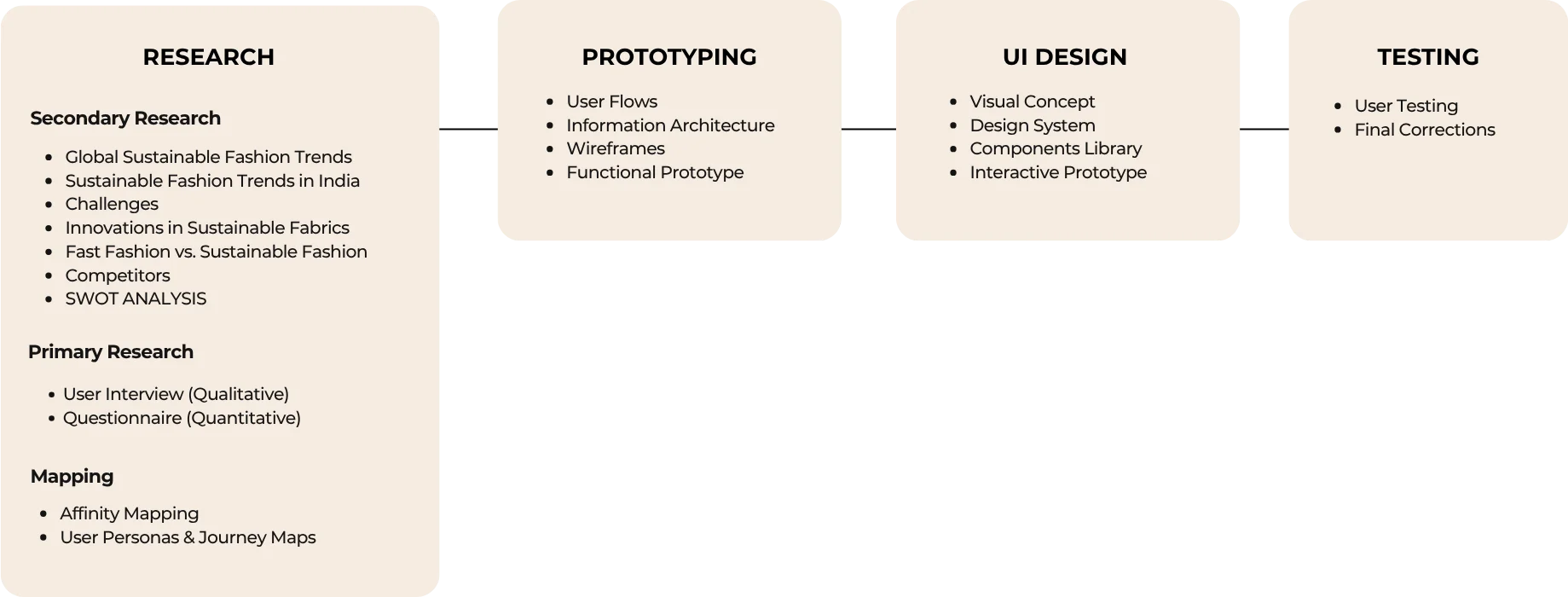
Research Findings:
Challenges:
Consumer Awareness & Perception: Many consumers lack knowledge about sustainability or see eco-fashion as expensive and elitist.
Limited Accessibility: Sustainable brands often have fewer physical stores and rely on online sales, limiting customer reach.
Greenwashing: Fast fashion brands use misleading "eco-friendly" claims, making it harder for truly sustainable brands to stand out.
Scaling Issues: Small sustainable brands struggle with supply chain limitations, making mass production difficult.
Competitors: Odd Lama faces direct challenges from point competitors like No Nasties with their strong organic and fair-trade positioning, Doodlage with their innovative upcycling model, and Okhai with their artisan-first narrative, all of whom appeal to the same conscious consumer segment we are targeting.
Sustainable Fashion Trends in India
Revival of Traditional Crafts: Brands like Boito are preserving traditional handwoven textiles of Odisha, blending them into modern luxury designs.
Upcycling and Zero-Waste Design: Designers are focusing on upcycling materials and adopting zero-waste patterns to minimize fabric waste.
Natural and Organic Fabrics: There's an increased use of organic cotton, bamboo, and other natural fibers, reducing reliance on synthetic materials.
Community-Centric Initiatives: Brands are collaborating with local artisans, ensuring fair wages and preserving indigenous crafts.
Eco-Friendly Dyeing Techniques: The use of natural dyes and water-efficient dyeing processes is becoming more prevalent.
These trends indicate a conscious effort within the fashion industry to balance style with sustainability, catering to an increasingly eco-aware consumer base.
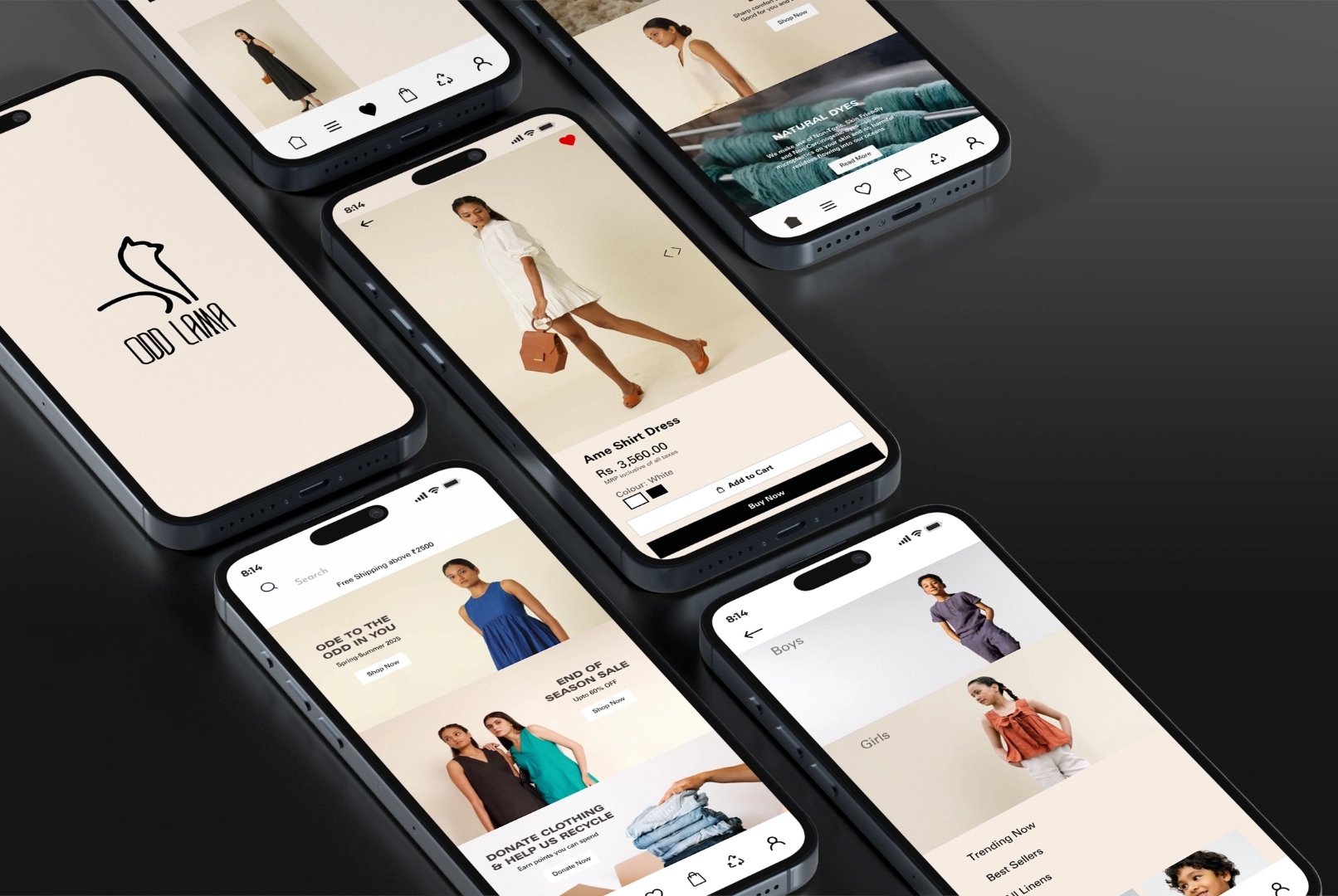
User Personas
Persona 1
Conscious Newbie
Profile: Young, values-driven, just beginning their journey into sustainable fashion.
Persona 2
Style-Seeking Pragmatist
Profile: Fashion-conscious, practical, open to sustainability if it doesn’t compromise on looks or price.
Persona 1
Conscious Newbie
High Production Costs: Ethical sourcing, eco-friendly fabrics, and fair wages increase costs, making sustainable fashion pricier than fast fashion.
Consumer Awareness & Perception: Many consumers lack knowledge about sustainability or see eco-fashion as expensive and elitist.
Limited Accessibility: Sustainable brands often have fewer physical stores and rely on online sales, limiting customer reach.
Greenwashing & Competition: Fast fashion brands use misleading "eco-friendly" claims, making it harder for truly sustainable brands to stand out.
Scaling Issues: Small sustainable brands struggle with supply chain limitations, making mass production difficult.
Persona 2
Style-Seeking Pragmatist
Revival of Traditional Crafts: Brands like Boito are preserving traditional handwoven textiles of Odisha, blending them into modern luxury designs.
Upcycling and Zero-Waste Design: Designers are focusing on upcycling materials and adopting zero-waste patterns to minimize fabric waste.
Natural and Organic Fabrics: There's an increased use of organic cotton, bamboo, and other natural fibers, reducing reliance on synthetic materials.
Community-Centric Initiatives: Brands are collaborating with local artisans, ensuring fair wages and preserving indigenous crafts.
Eco-Friendly Dyeing Techniques: The use of natural dyes and water-efficient dyeing processes is becoming more prevalent.

Empathy Mapping
Persona 1: Conscious Newbie
Wants to do good but often wonders, “Is this really sustainable?” Feels hopeful yet skeptical and sometimes overwhelmed. Says things like “It’s too expensive” or “I want brands I can trust.” Browses online, looks for proof or ratings, but rarely buys.
Persona 2: Style-Seeking Pragmatist
Wants to look good while being mindful, but feels sustainable fashion lacks style. Feels curious yet cautious, stylish but slightly guilty. Says, “I don’t want to compromise on style” or “Sustainable stuff is expensive.” Compares prices, follows influencers, and shops both sustainable and fast fashion.
Persona 1
Conscious Newbie
THINKS
“I want to do good”
“Is this really sustainable?”
FEELS
Hopeful but skeptical
Confused, overwhelmed
SAYS
“It’s too expensive”
“I want brands I can trust”
DOES
Browses online, rarely buys
Seeks proof or ratings
Persona 2
Style-Seeking Pragmatist
THINKS
“I want to look good and be mindful.”
“Why is sustainable fashion so dull?”
“I’d try sustainable if it looked better.”
“It’s confusing to know what’s legit.”
FEELS
Stylish, but slightly guilty
Frustrated by limited trendy options
Curious, but cautious
Skeptical, unsure
SAYS
“Sustainable stuff is expensive.”
“I don’t want to compromise on style.”
“Wish I could find cool eco brands.”
“I’ll switch if it’s worth it.”
DOES
Compares prices online
Browses fast fashion + Instagram reels
Follows fashion influencers
Shops a mix of sustainable & non-sustainable
Affinity Mapping
Persona 1
Conscious Newbie
GOALS:
Buy ethical and planet-friendly clothing
Learn what truly makes a brand sustainable
Make confident, informed purchase decisions
FRUSTRATIONS:
“How do I know what’s really sustainable?”
“It’s all so expensive.”
“There’s too much confusing information.”
NEEDS
Trust-building tools (like ratings, certifications)
Curated brand suggestions that match their values
Affordable sustainable options
Simple sustainability education
Curated brand suggestions that match their values
BEHAVIORS
Shops rarely, only when necessary
Researches online before purchasing
Gets overwhelmed by too many options
Follows a few conscious influencers
Persona 2
Style-Seeking Pragmatist
GOALS:
Look stylish while making responsible choices
Discover trendy, affordable sustainable brands
Understand what’s legit vs greenwashing
FRUSTRATIONS:
“Why is sustainable fashion so boring?”
“It’s way more expensive than regular clothes.”
“I’m not sure which brands I can trust.”
NEEDS
Trendy & fashionable sustainable options
Clear brand transparency & trust signals
Price comparison or value-based filters
Easy brand discovery (social media, influencers)
BEHAVIORS
Mixes fast fashion and occasional sustainable buys
Browses Instagram & Pinterest for inspiration
Compares prices before buying
Follows style influencers, doesn’t actively research sustainability
User Flow
%20copy.webp)
Wireframes
.png)
A grounded identity rooted in simplicity and nature
Lorem ipsum dolor sit amet, consectetur adipiscing elit. Suspendisse varius enim in eros elementum tristique. Duis cursus, mi quis viverra ornare, eros dolor interdum nulla, ut commodo diam libero vitae erat.
%20(1)%20copy.webp)